DIY Hoof Care: Essential Tips for Horse Owners


Introduction to DIY Hoof Care
Taking care of your horse's hooves is a crucial part of their overall health and well-being. Proper hoof care ensures your horse remains comfortable and reduces the risk of injuries or infections. While professional farriers are invaluable, there are several DIY hoof care practices you can implement to keep your horse's hooves in top condition.

Understanding the Basics of Hoof Anatomy
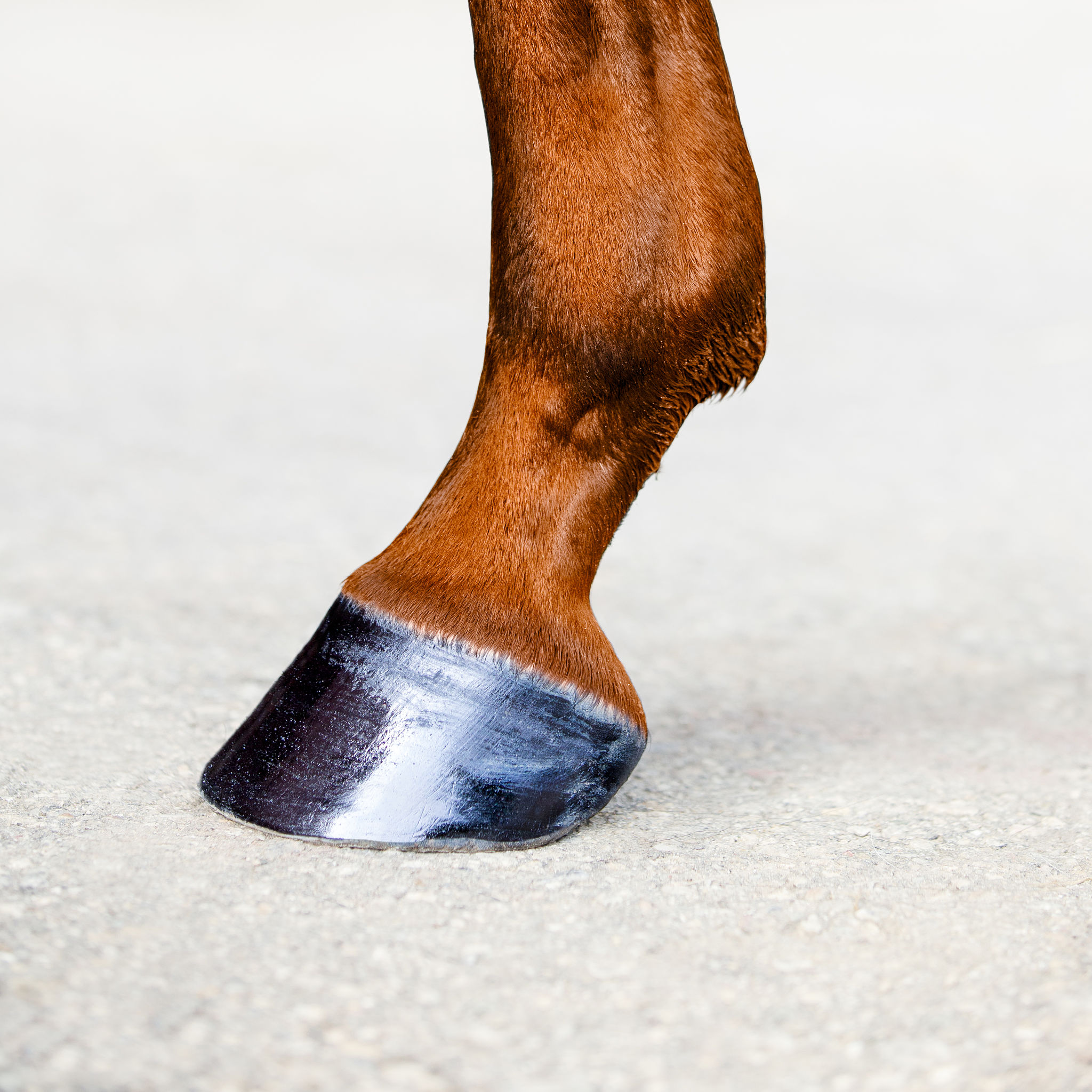
Before diving into DIY hoof care, it's essential to understand the basic anatomy of a horse's hoof. Each hoof consists of the wall, sole, frog, and heel. The wall is the visible, hard outer layer, while the sole is the bottom surface. The frog is the V-shaped structure that aids in shock absorption.
Recognizing the different parts helps identify any abnormalities or issues. Regularly inspecting these areas can prevent common problems like cracks or thrush.
Regular Hoof Cleaning
One of the simplest yet most effective hoof care practices is regular cleaning. Use a hoof pick to remove dirt, stones, and debris from the soles and frog. This daily routine prevents the buildup of harmful bacteria and reduces the risk of infections.
Ensure you are thorough but gentle to avoid causing any discomfort to your horse. Cleaning the hooves also allows you to check for any signs of injuries or abnormalities.

Trimming and Shaping
While trimming is often best left to professionals, learning basic hoof shaping techniques can be beneficial. Regular trimming promotes healthy growth and prevents overgrowth or uneven wear. Use a rasp to maintain smooth edges and balance.
If you're new to this, consider taking a workshop or consulting with a farrier to learn proper techniques. Remember, incorrect trimming can cause more harm than good.
Moisturizing and Conditioning
Just like human skin, horse hooves need adequate moisture to remain healthy. Dry, brittle hooves are more prone to cracks and splits. Apply a hoof conditioner or moisturizer to maintain proper moisture levels.
These products help lock in moisture and protect against environmental factors like extreme weather. Be sure to choose quality products specifically designed for equine hoof care.
Monitoring for Common Issues
Regular hoof inspections are crucial for identifying common issues early. Look out for signs of thrush, cracks, or abscesses. Thrush is a bacterial infection often identified by a foul smell and black discharge around the frog.
Cracks can vary in severity, so it's important to address them promptly to prevent worsening. If you notice any unusual signs, consult a veterinarian or farrier for advice.
Conclusion
By incorporating these DIY hoof care tips into your routine, you can significantly contribute to your horse's hoof health. Regular cleaning, proper trimming, and adequate moisturizing are key components of effective hoof care.
Always stay vigilant for any signs of trouble and consult professionals when necessary. With the right care and attention, your horse's hooves will remain strong and healthy, ensuring their comfort and performance.