Expert Tips for Maintaining Hoof Health Year-Round


Maintaining hoof health is crucial for the overall well-being and performance of your horse. Neglecting hoof care can lead to various issues, including lameness, infections, and other long-term problems. To ensure your horse's hooves are in top condition year-round, it’s essential to follow expert advice and implement a consistent care routine.
Regular Trimming and Shoeing
One of the most important aspects of hoof care is regular trimming and shoeing. Professional farriers recommend scheduling trims every 6 to 8 weeks. This schedule may vary depending on the horse's activity level, environment, and individual hoof growth. Regular trimming helps maintain the correct hoof shape, preventing imbalances and uneven wear.

Proper shoeing is equally important. Horses that are frequently ridden or work on hard surfaces may require shoes to protect their hooves. Discuss with your farrier the best shoeing options for your horse, considering factors such as terrain and activity level.
Nutrition and Diet
Nutrition plays a vital role in hoof health. A balanced diet rich in essential nutrients supports strong and healthy hooves. Key nutrients include biotin, zinc, and omega-3 fatty acids. These nutrients promote hoof growth and toughness, reducing the risk of cracks and splits.
Consult with a veterinarian or equine nutritionist to ensure your horse's diet meets their specific needs. Supplements can also be considered if your horse requires additional support for optimal hoof health.

Maintaining a Clean Environment
Keeping your horse’s living environment clean and dry is essential to prevent hoof problems such as thrush and fungal infections. Wet and muddy conditions can soften hooves, making them more susceptible to damage. Regularly clean stalls and paddocks, and ensure proper drainage to minimize moisture buildup.
Daily Hoof Cleaning
Incorporate daily hoof cleaning into your routine. Use a hoof pick to remove dirt, stones, and debris from the hoof. This not only keeps the hooves clean but also allows you to inspect for any signs of injury or infection early on.
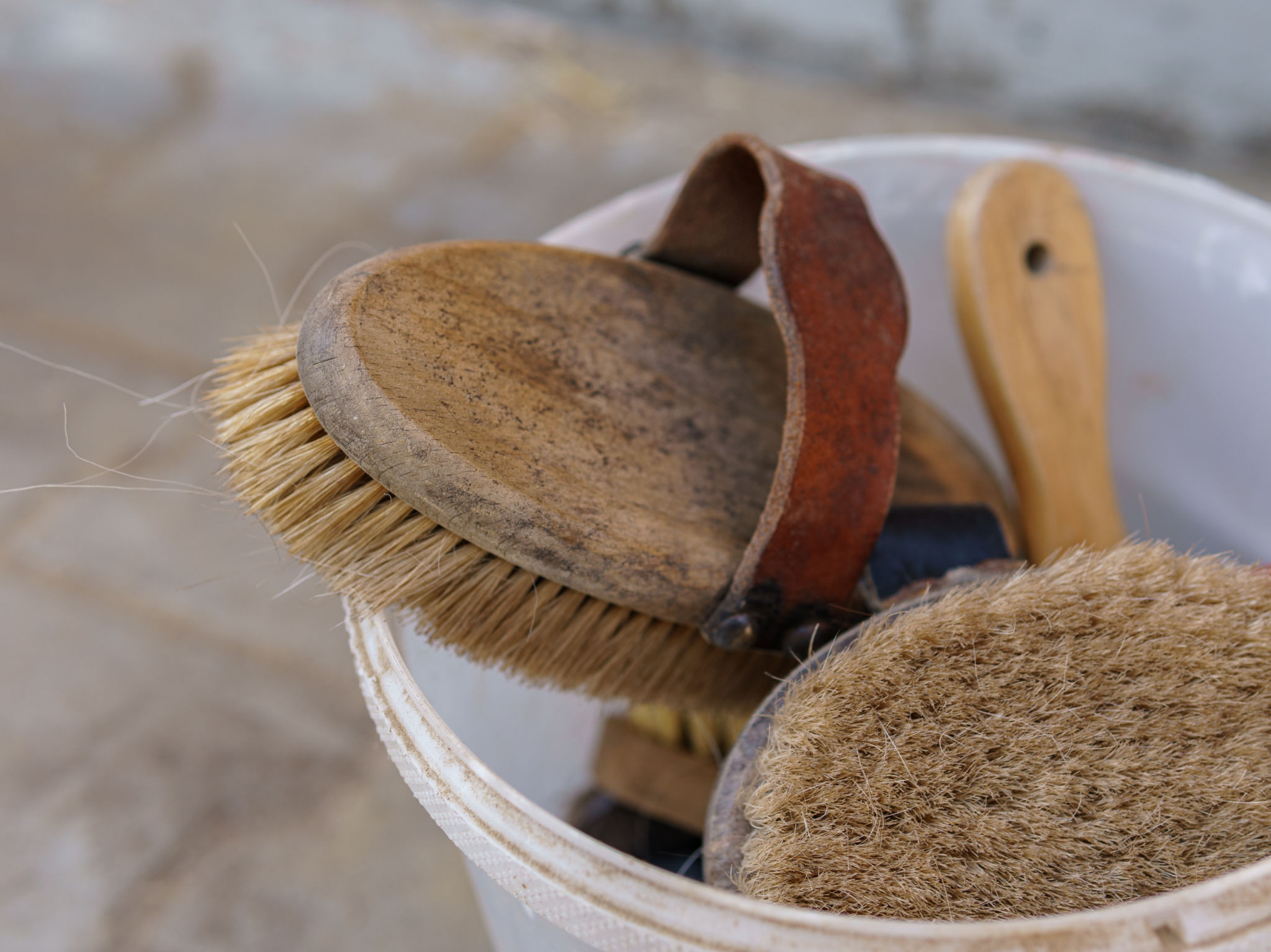
Monitor for Signs of Trouble
Regularly inspecting your horse's hooves will help you catch potential issues before they become serious. Look for signs of cracks, uneven wear, or unusual odors. If you notice any abnormalities, consult with a farrier or veterinarian promptly.
By following these expert tips and maintaining a consistent hoof care routine, you can ensure your horse stays healthy and active throughout the year. Remember, proactive care is the key to preventing hoof-related problems and ensuring your horse’s overall well-being.