How Often Should a Horse Be Trimmed? A Comprehensive Guide


The Importance of Regular Hoof Trimming
Maintaining a horse's hooves is crucial for its overall health and performance. Regular hoof trimming ensures that your horse can walk, run, and perform comfortably without risking injury. But how often should a horse be trimmed? Understanding the right schedule is key to keeping your horse in top condition.

Factors Influencing Trimming Frequency
Several factors determine how often a horse should be trimmed. These include the horse's age, environment, diet, and the work it performs. Young horses might require more frequent trims as their hooves grow rapidly, while older horses may need less frequent attention.
Additionally, a horse living in a soft, wet environment might need trimming more often than one in a dry, hard environment. Similarly, horses on a balanced diet that supports hoof health may have different trimming needs compared to those with nutritional deficiencies.
General Guidelines for Hoof Trimming
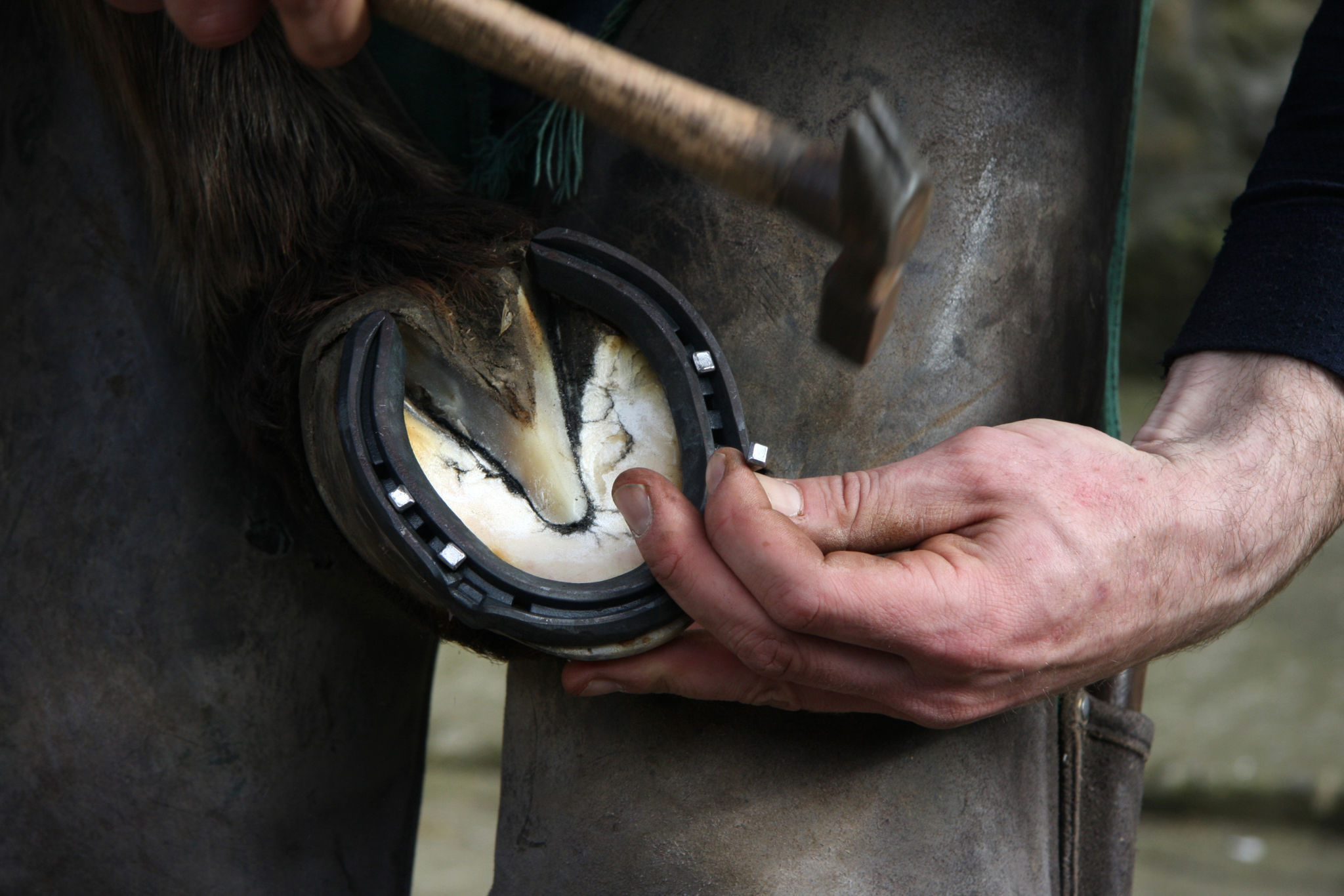
While individual needs may vary, a general guideline is to have a horse's hooves trimmed every 4 to 8 weeks. This schedule helps prevent issues such as overgrown hooves, which can lead to discomfort and lameness. Regular trimming also supports proper hoof shape and balance.
Signs Your Horse Needs Trimming
Even with a regular schedule, it's important to watch for signs that your horse might need an earlier trim. Look for cracking, chipping, or uneven wear. If your horse is showing signs of discomfort or changes in gait, it may be time for a trim sooner rather than later.
Observing how your horse moves and stands can also provide clues. If your horse appears to shift weight frequently or stands unevenly, it might indicate hoof issues that require attention.
The Role of a Professional Farrier
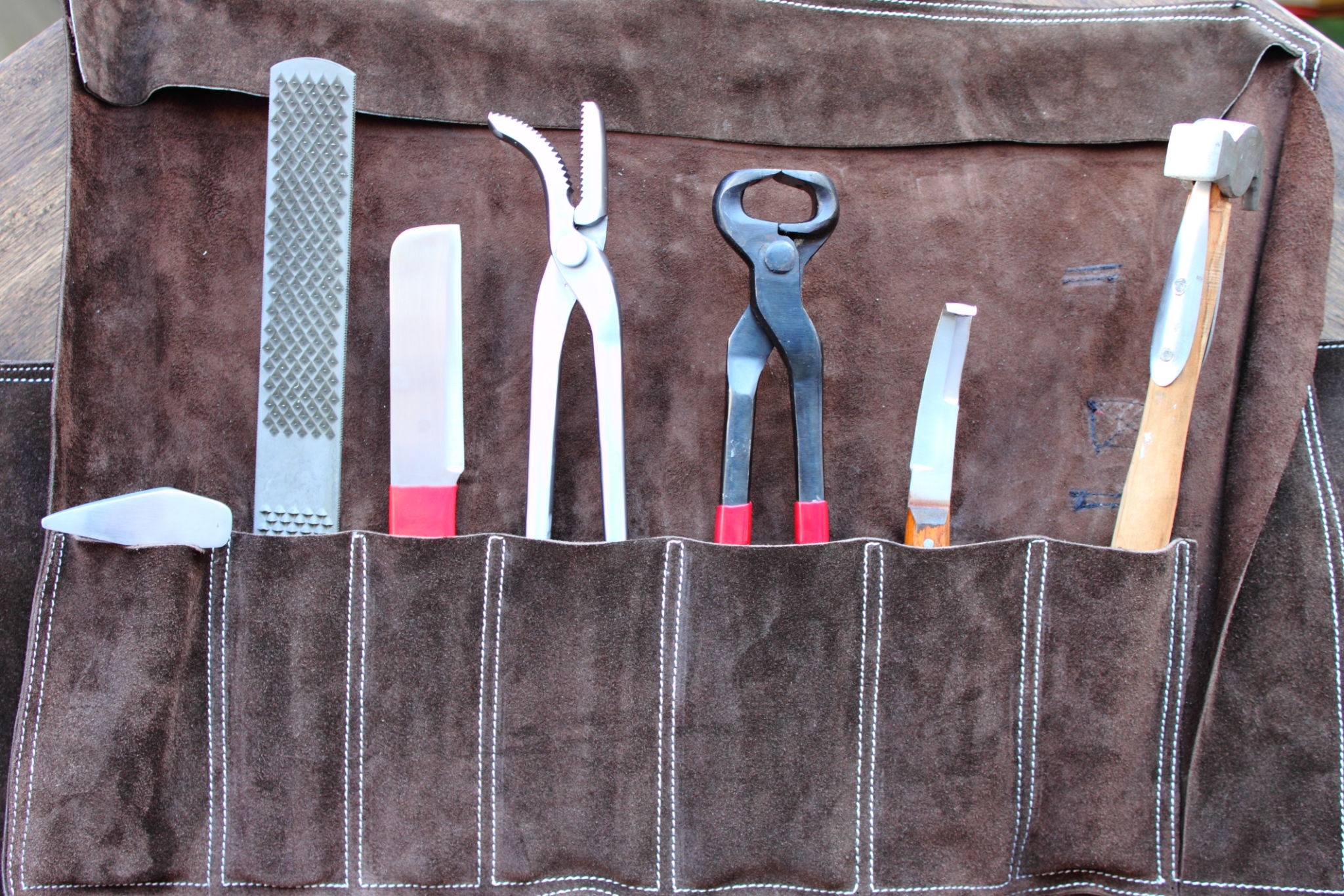
Enlisting the help of a professional farrier is essential in maintaining your horse's hoof health. A skilled farrier can assess your horse’s individual needs and adjust the trimming schedule accordingly. They can also identify potential problems early, preventing more serious issues down the line.
Considerations for Special Cases
Some horses, such as those with certain medical conditions or those recovering from injuries, may require a tailored trimming schedule. Consulting with a vet and farrier can help create a plan that supports recovery and maintains hoof health.
Additionally, horses involved in specific activities, like competitive sports or heavy work, may have different trimming needs to support their performance and prevent injury.
Conclusion
Regular hoof trimming is vital for your horse's well-being. By understanding the factors that influence trimming frequency and recognizing the signs that a trim is needed, you can ensure your horse remains healthy and happy. Partnering with a professional farrier will provide the expertise needed to tailor a trimming schedule that best suits your horse's individual needs.