How to Choose the Right Farrier for Your Horse: An Expert's Guide


Understanding the Role of a Farrier
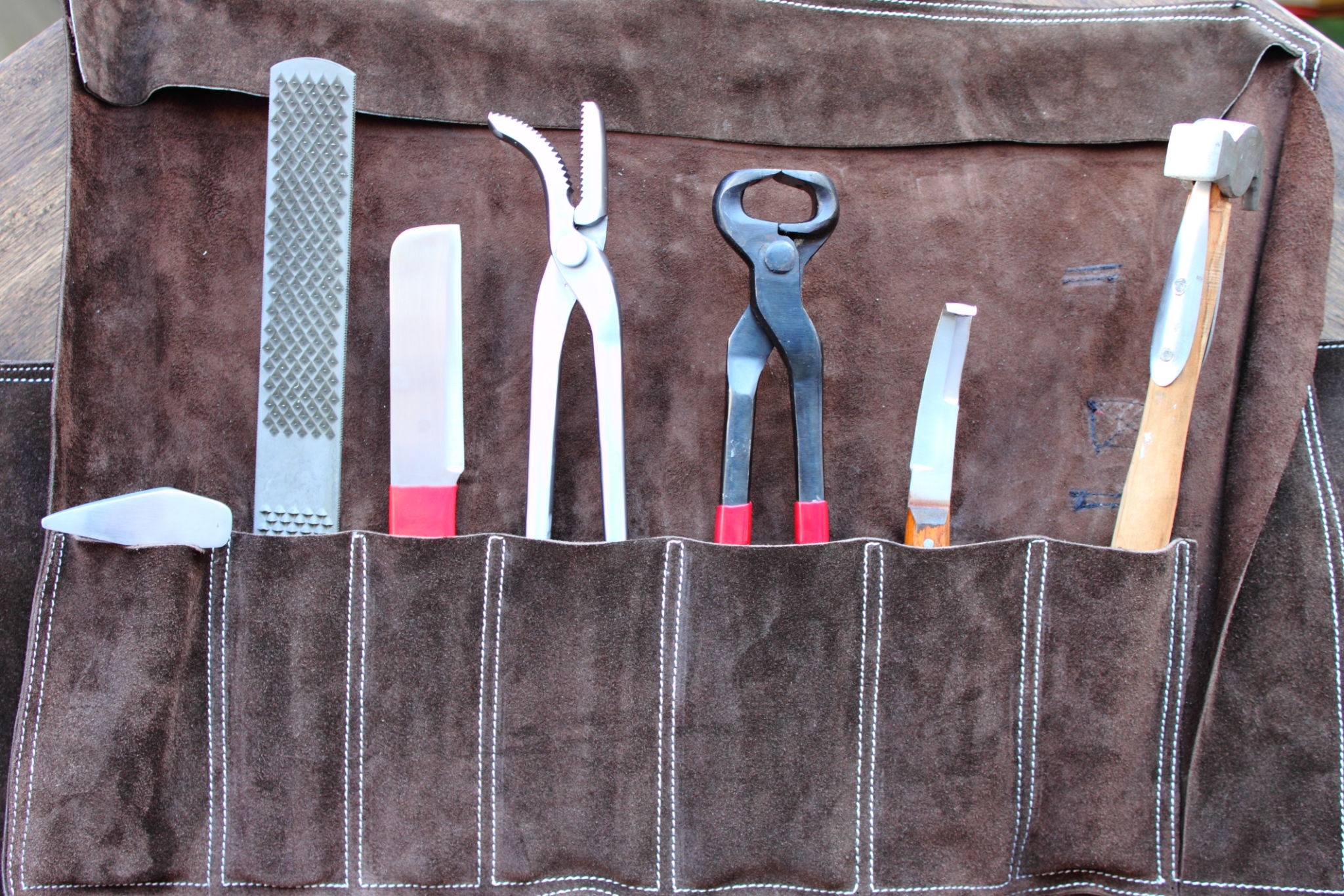
A farrier is a skilled professional responsible for the care and maintenance of a horse's hooves. This involves trimming, balancing, and shoeing the hooves to ensure the horse's overall health and performance. Choosing the right farrier is crucial, as improper hoof care can lead to discomfort or even lameness in your horse.

Qualifications and Experience
When selecting a farrier, it's essential to consider their qualifications and experience. Look for professionals who have undergone formal training and certification. Experience is equally important, as it signals a farrier's ability to handle various hoof conditions and horse breeds. Request references and ask for recommendations from fellow horse owners or your veterinarian.
Communication and Compatibility
Open communication with your farrier is vital to ensure your horse's needs are met. A good farrier should be willing to discuss their methods, listen to your concerns, and provide advice on hoof care. Compatibility is also important; your farrier should share your philosophy on horse care and work well with your horse.

Assessing the Farrier's Work
It's important to evaluate the quality of the farrier's work. Observe their interactions with your horse and check the fit of the shoes. The hooves should be evenly balanced, and there should be no signs of discomfort in your horse. Regularly inspect your horse's hooves for any abnormalities or signs of wear between visits.
Availability and Reliability
Consider the farrier's availability and reliability. You'll want someone who can accommodate your schedule and respond promptly in case of emergencies. Consistent, timely service is crucial for maintaining your horse's hoof health. Ask about their typical response time and how they handle urgent situations.
Cost Considerations
While cost should not be the only deciding factor, it's wise to discuss pricing upfront. Understand what services are included and any additional fees that may arise. It's important to balance cost with quality to ensure your horse receives the best care without breaking the bank.
Building a Long-Term Relationship
Developing a long-term relationship with your farrier can be beneficial for your horse's health. A consistent farrier will become familiar with your horse's specific needs, making it easier to spot potential issues early. Trust and mutual respect go a long way in fostering a successful partnership.
Choosing the right farrier requires careful consideration of various factors, but the effort is well worth it for the health and happiness of your horse. By focusing on qualifications, communication, reliability, and cost, you can find a farrier who will provide the best care for your equine companion.